
Fashion is more than what we wear—it is a form of self-expression, a blend of culture, creativity, and functionality. Among the most essential components of any wardrobe are clothes and shoes, two elements that work together to shape personal style and comfort. Whether you dress for professional environments, casual outings, or special occasions, understanding how clothes and shoes complement each other enhances the overall look and boosts confidence.
Below is a comprehensive guide exploring different types of clothing and footwear, how to choose them wisely, and why they matter in everyday life.
Importance of Clothes and Shoes
Why Clothes Matter
- They project personality and identity.
- Provide comfort and protection from environmental conditions.
- Reflect cultural or social values.
- Influence mood and self-confidence.
- Serve functional purposes such as sportswear, workwear, or formal attire.
Why Shoes Matter
- Offer stability, support, and foot protection.
- Complete the overall outfit.
- Improve posture and reduce physical strain.
- Serve specialized functions for running, hiking, working, or sports.
- Express personal style and fashion preferences.
Categories of Clothing
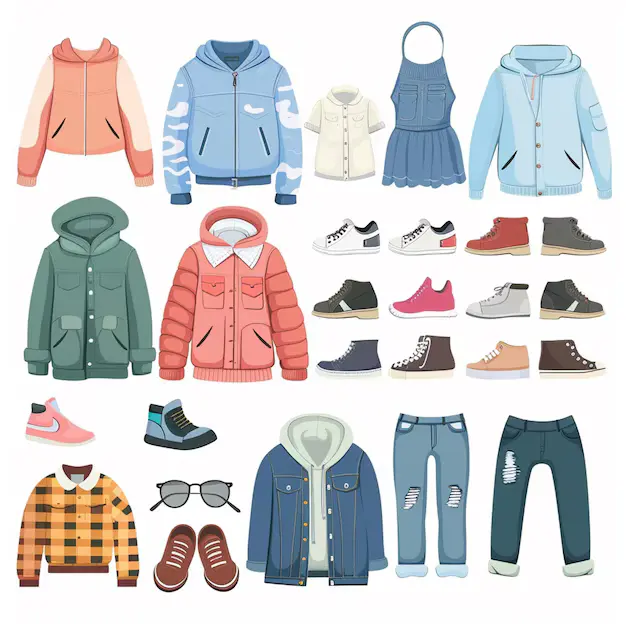
Casual Wear
Casual clothing emphasizes comfort and versatility, making it ideal for daily routines.
Examples include:
- T-shirts
- Jeans
- Hoodies
- Shorts
- Sweaters
- Casual dresses
Key features:
- Soft and breathable fabrics
- Easy movement
- Minimalistic, relaxed styling
Formal Wear
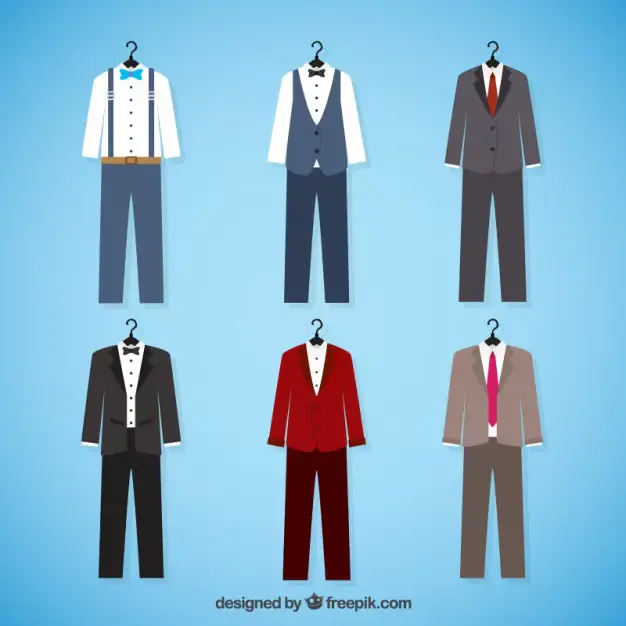
Formal clothing is often tailored, polished, and suitable for business or special events.
Common pieces:
- Suits
- Blazers
- Dress shirts
- Ties and bowties
- Evening gowns
- Cocktail dresses
Key characteristics:
- Structured silhouettes
- High-quality fabrics (silk, wool, satin)
- Classic, refined colors and patterns
Ethnic & Traditional Wear
Cultural attire highlights heritage and traditional craftsmanship.
Examples:
- Sarees
- Kimonos
- Kaftans
- Abayas
- Kilts
- Traditional embroidered garments
Why it matters:
- Celebrates cultural identity
- Used during festivals, ceremonies, and rituals
- Features unique patterns, textiles, and designs
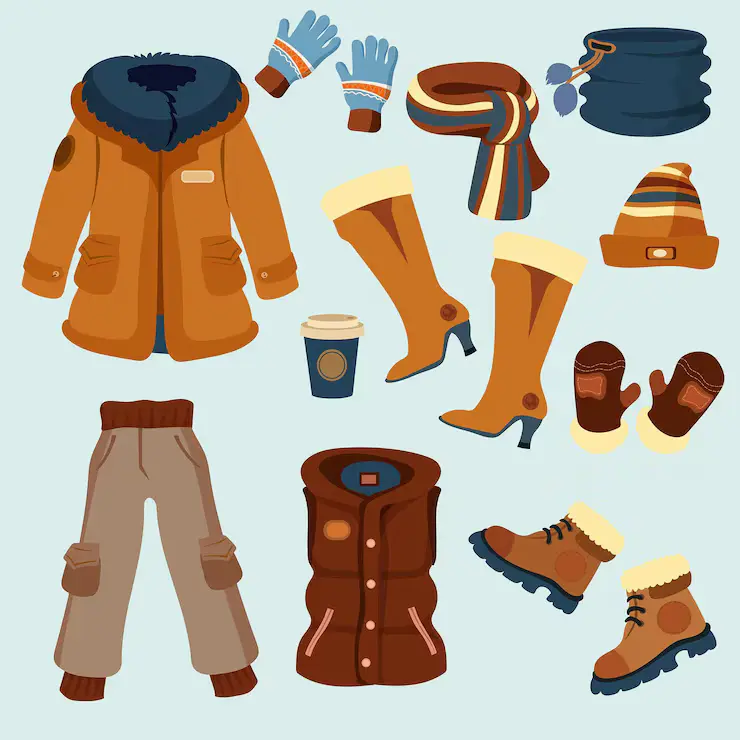
Winter Wear
- Protects from cold and harsh weather.
- Examples: jackets, coats, sweaters, thermals, scarves, gloves.
- Uses insulating materials like wool, fleece, down, and thicker blends.
- Designed to retain body heat while allowing comfort.
Sportswear & Activewear
- Designed for flexibility, comfort, and sweat management.
- Examples: track pants, gym shorts, sports bras, performance T-shirts.
- Made with moisture-wicking and stretchable fabrics like spandex and polyester.
- Ideal for workouts, sports, jogging, or yoga.
Coordinating Clothes and Shoes
- Match formal clothes with formal shoes for a balanced look.
- Pair casual outfits with sneakers or loafers for relaxed styling.
- Ethnic outfits pair well with juttis, mojaris, or embellished sandals.
- Sportswear should always be worn with sports-specific shoes to prevent injury.
- Color coordination—neutral-colored shoes suit most outfits, while bold shoes add a statement.
- Balance—if clothes are heavily patterned, choose simple shoes, and vice versa.
Categories of Shoes
Casual Shoes
Great for everyday use and laid-back looks.
Examples:
- Sneakers
- Slip-ons
- Loafers
- Sandals
Benefits:
- Comfortable cushioning
- Easy to pair with jeans, shorts, or casual outfits
- Wide variety of colors and designs
Formal Shoes
Worn for business, corporate, or ceremonial events.
Types include:
- Oxfords
- Brogues
- Derbies
- Heels
- Dress loafers
Features:
- Sleek, polished appearance
- Leather or high-quality synthetic materials
- Structured construction
Sports Shoes
Designed for activities requiring performance and support.
Examples:
- Running shoes
- Tennis shoes
- Hiking boots
- Football boots
- Basketball shoes
Advantages:
- Shock absorption
- Ankle support
- Specialized soles for grip and traction
Boots
- Suitable for style, durability, and protection.
- Examples: ankle boots, combat boots, hiking boots, winter boots.
- Made from tough materials like leather, suede, and waterproof fabrics.
- Provide excellent support and are trendy during colder seasons.
Sandals & Slippers
- Ideal for hot climates and indoor use.
- Examples: flip-flops, slides, comfort sandals.
- Offer breathability and ease of use.
- Suitable for casual, beach, or home environments.
How to Choose the Right Clothes and shoes
Consider Your Body Type
- Choose cuts that enhance your natural shape.
- Dark colors create a slimming effect.
- Structured tailoring adds definition.
Prioritize Comfort
- Soft, breathable materials for daily wear.
- Stretch fabrics for movement.
- Lightweight layers for flexibility.
Match the Occasion
- Formal events require structured clothes.
- Casual outings allow relaxed fits.
- Outdoor activities require weather-appropriate gear.
Focus on Color Combinations
- Neutrals like black, white, beige, and navy pair easily.
- Bold colors can be balanced with subtle tones.
- Seasonal tones (pastels in summer, deeper hues in winter) enhance aesthetic appeal.
Fit and Comfort
- Ensure proper arch support.
- Leave enough space for toes.
- Avoid shoes that cause friction or pain.
Purpose-Based Selection
- Running requires cushioned soles.
- Office wear needs formal shoes.
- Hiking needs sturdy, high-grip boots.
Material Matters
- Leather offers durability.
- Mesh ensures breathability.
- Rubber soles provide grip and flexibility.
Style Coordination
- Match shoe color with outfit tones.
- Sneakers work well with casual and streetwear.
- Heels or formal shoes elevate professional attire.
Tips for Maintaining Clothes and Shoes
Current Clothes and shoes trends
- Oversized silhouettes
- Sustainable fabrics like organic cotton
- Minimalist color palettes
- Athleisure outfits
- Chunky sneakers
- Eco-friendly materials
- Retro-inspired designs
- Comfort-focused footwear like cushioned sliders
Conclusion
Clothes and shoes are more than functional necessities—they are expressions of individuality, comfort, and lifestyle. By choosing the right garments and footwear, considering personal taste, and understanding how different pieces work together, anyone can build a wardrobe that is stylish, practical, and confidence-boosting. Whether you’re dressing for work, leisure, or special events, the key lies in selecting quality pieces that reflect who you are and support your daily activities.
For more such exciting content follow : royal collextion
also follow : intence growth